
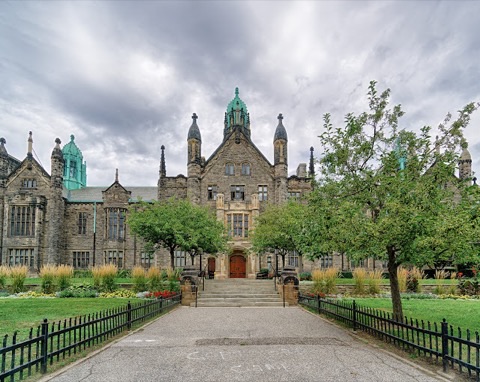
University of Toronto, BA Economics
Educational strategy
Through diagnostics, guided exploration, and expert mentorship, we bring structure to complex educational decisions—transforming uncertainty into a clear path forward.
Learn about programs
A strategic approach to education
Our approach
of students are admitted to their first-choice schools. The result of a systematic approach, not luck.
We help children understand their interests, make decisions, test their choices through experience. This is a skill that stays with them far beyond admission.
So decisions are guided by data, not opinion.
International experience, academic depth, and a way of working with families as partners.

One system
Why our method works



Transformation





Founder

CEO and Co-founder

Program Lead, Step by Step to University

Program Lead, Step by Step to a New School

Learning coordinator

Program Lead, Step by Step to a Career
Our philosophy
Admission is one moment in a much longer journey. What matters more is the ability to understand your strengths, test your assumptions, and make choices with intention. That is the foundation for everything that comes after.
FAQ
We help families navigate educational decisions that require long-term strategy and expert guidance.
Families come to us when they need to:
We begin with two diagnostic meetings.
The first is with the parents, where we discuss the family's needs and educational goals.
The second is with the teenager, where a mentor assesses their strengths, motivation and readiness for the program.
These meetings allow us to develop initial recommendations and a preliminary plan with pricing, giving both you and your child the information needed to make an informed decision about moving forward.
All sessions are held individually online. This allows us to work consistently with families regardless of where they live and gives us flexibility in scheduling.
Between sessions, students receive recommendations and materials for independent work. Parents are involved when needed to maintain a shared understanding of goals and progress.
We support the entire admissions process through to receiving an offer.
The family receives:
We support the entire admissions process through to receiving an offer.
The family receives:
We see university admission as the outcome of several years of consistent work: developing self-understanding, exploring potential directions and building a strong application profile.
From age 12 — this is typically when children begin to reflect on their interests, strengths, and possible learning paths, and are ready to talk them through.
For children from age 6, we support families in choosing and applying to schools worldwide, as well as offering lessons with our leading educators.
Our program's goal goes beyond building a university list and submitting applications. We work with each child to develop genuine responsibility and the ability to make informed, thoughtful choices.
We also know that admissions committees can tell the difference between a long-term, genuine interest and a last-minute sprint — and it's the former that top universities look for in applicants.
Throughout the program, we help teenagers not just find that interest, but develop it further. That journey becomes an honest, detailed story — one we help shape into a compelling university motivation letter.
No. This is an important age for expanding a teenager's understanding of the world and giving them exposure to different possibilities.
It is also when decisions about secondary school, subject choices and academic preparation can begin to shape the options available later.
The goal is not to choose a profession at 12. It is to give teenagers enough time to explore different fields, gain real experience and understand what genuinely engages them.
By 16–17, many educational decisions need to be made within existing constraints. The earlier teenagers begin understanding themselves and the professional world, the more freedom of choice they retain later.
We look closely at the student's engagement, motivation and response to different experiences.
We create opportunities to explore and "try on" different kinds of professional activity so that students can discover what interests them, what they are good at and what they genuinely enjoy.
Based on this experience, they begin forming their own perspective and become better prepared to decide what they may want to study at university.
Yes. This is one of the most common concerns we hear from parents.
When a teenager says, "I'm not interested in anything," it rarely means they have no interests at all. More often, they simply haven't discovered what they enjoy doing yet.
We gradually broaden their perspective by introducing different industries, professions and educational possibilities. Career and educational trials give students opportunities to encounter something that sparks genuine curiosity and motivation.
The aim is for motivation to emerge through personal experience rather than being imposed from outside.
We regularly review global trend reports and update our programs to reflect technological developments and changes in the professional landscape. We also follow how university programs are evolving.
But an equally important part of our work is developing skills that help students navigate their careers regardless of how the world changes.
We help teenagers learn to make decisions based on self-understanding, find and analyze information, take action, and turn uncertainty into a structured path forward.
Traditional educational consulting often focuses on selecting a school or university and managing the application process.
Our work begins much earlier, with understanding the student's interests, abilities and the family's goals.
We see admission as one stage of a broader educational journey, rather than the goal in itself.
Completely.
We do not represent schools or universities and do not receive commissions for our recommendations.
This allows us to remain objective and focus on one question: which educational environment is genuinely the right fit for your child?
No. We work with families considering different educational paths, including Russia, the UK, the US, Europe and Asia.
We also work with families who are still exploring their options and want to understand different educational systems before making a decision.
Our approach is based on finding an educational environment that aligns with the student's interests and abilities, as well as the family's long-term goals.
The first meeting helps us understand your situation, your family's goals and where your child currently is in their educational journey.
We discuss your questions, explain how the program works and suggest the most appropriate next steps.
If we believe our approach is not the right fit for your situation, we will tell you openly.
The cost depends on the program, its duration and the family's individual needs.
After the initial meeting, we recommend the most appropriate format and provide detailed information about pricing.
Payment is made by invoice. If you are paying from another country, our team can help identify the most convenient payment option.